






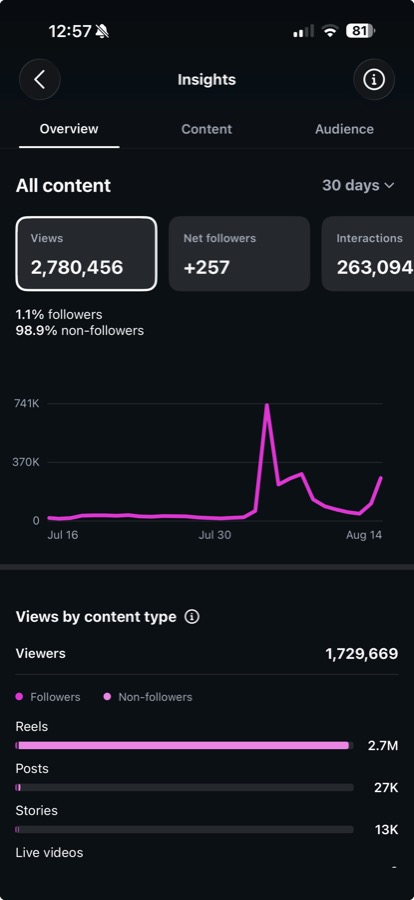
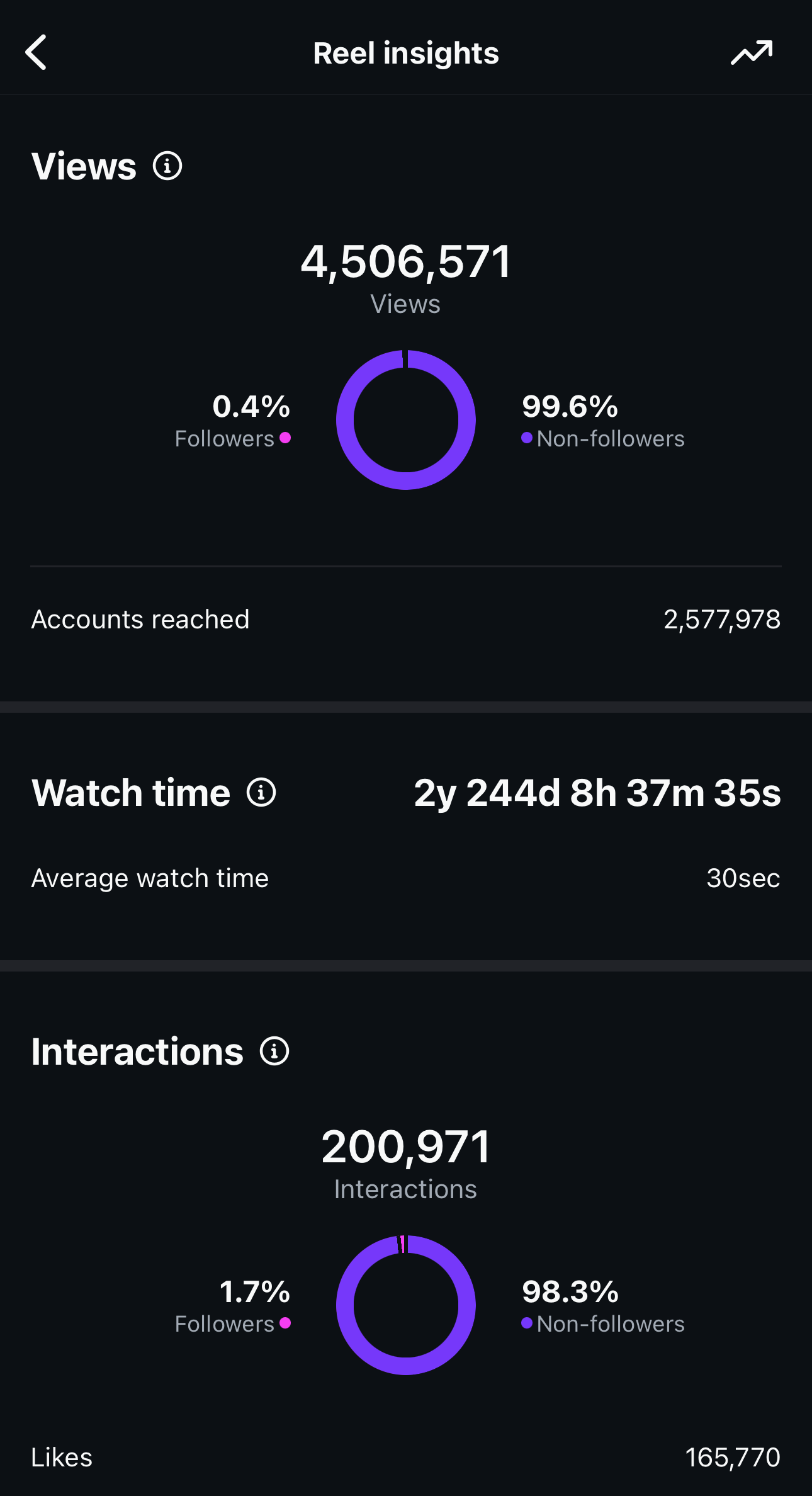
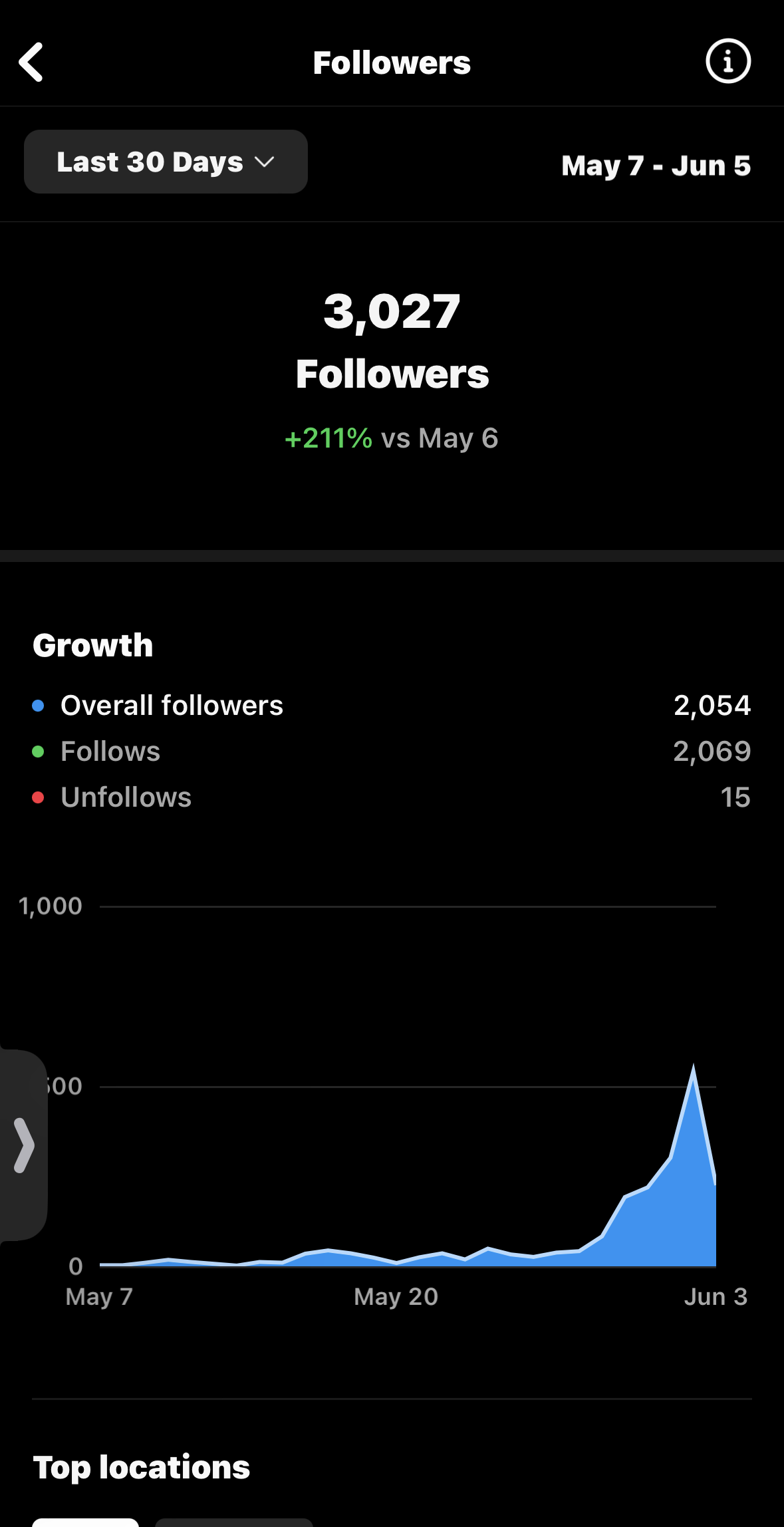
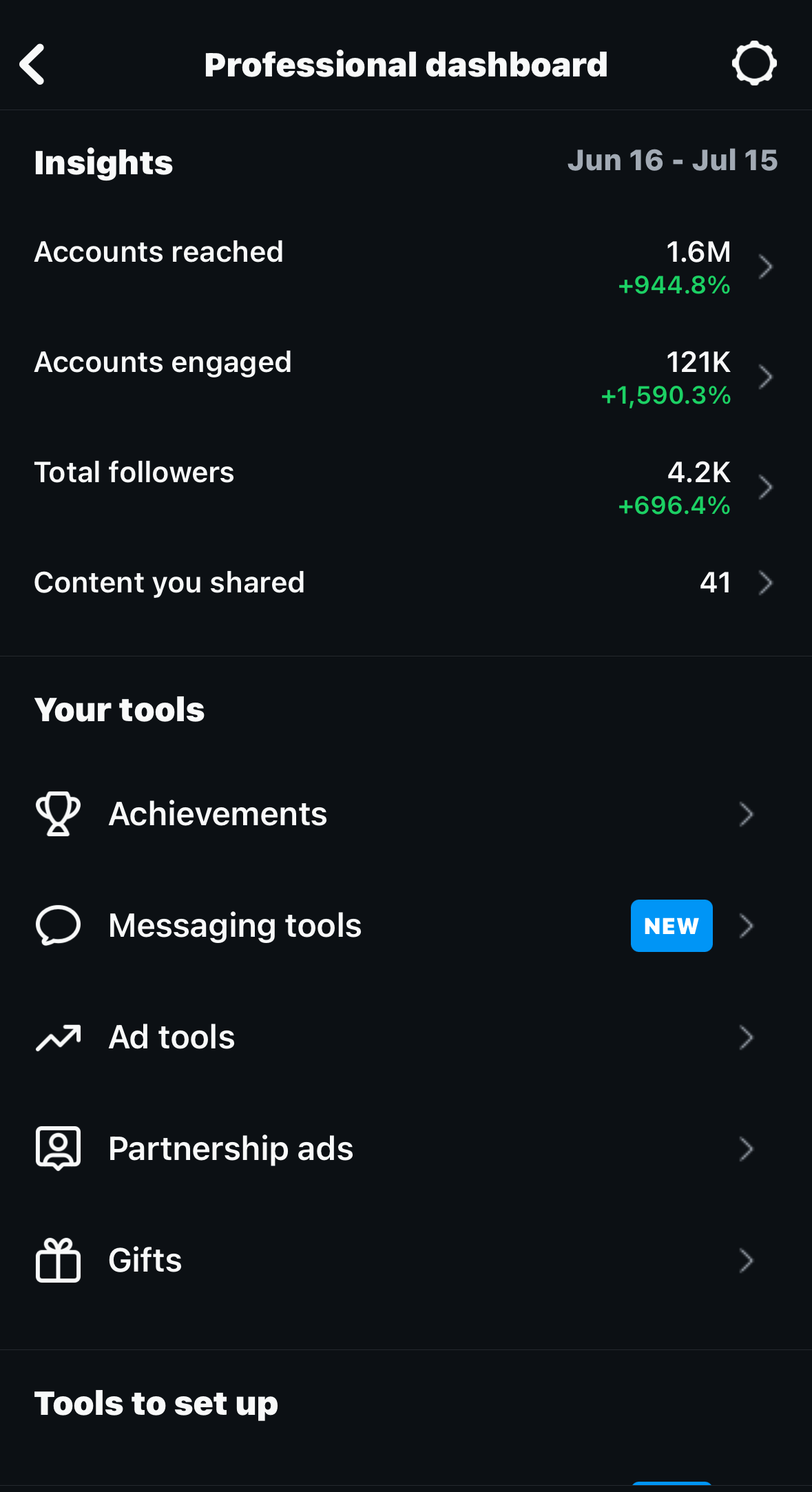
Contractor video marketing means filming your real jobs, crew and finished work, then running those videos on social, YouTube and paid ads so homeowners and general contractors see the quality before they call. Done as a system it produces exclusive booked jobs instead of shared leads. Aquatic Pools built $10.4M in qualified pipeline in seven months this way.
Updated October 11, 2026: rewrote the SEO section around what actually moves contractor rankings and AI search in 2026, with sourced numbers. October 2: retitled around the six video types, added a sources section with the studies behind the claims, and tightened the internal links to the industry guide. September 6: added four Maken Media contractor examples with numbers, new sections on builders, drone footage and video ads, and current 2026 costs.
A homeowner needs a $200,000 pool built. A property manager is hiring a commercial GC for a ground-up project. A restaurant owner needs a buildout. In every single one of these scenarios, the first thing they do is the same: they Google it, check social media, and look at the work.
If your construction company or contracting business doesn't have video showing what you do, you're invisible to these people. Your competitors who are posting job site content are getting the calls instead.
This isn't theory. We work with contractors, pool builders, and construction companies across the country, and the ones posting consistent video content are closing more jobs, charging higher prices, and building the kind of brand reputation that turns into referrals on autopilot.
Here's the complete breakdown of how video marketing works for contractors and construction companies: what to film, how to film it, what it costs, and how to turn views into signed contracts.
Four contractor examples from Maken Media
These are the four contractor clients we point to when a builder asks what video actually returns. Numbers as reported by the clients, September 2026.

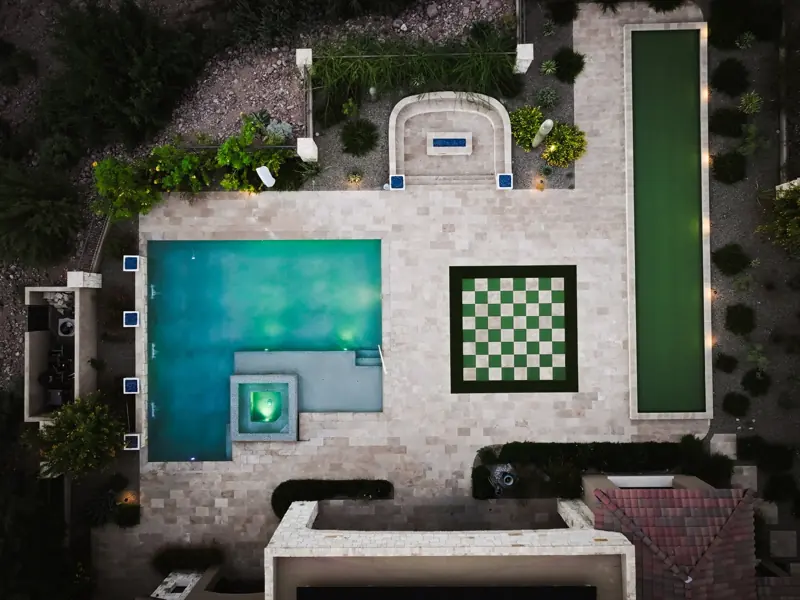
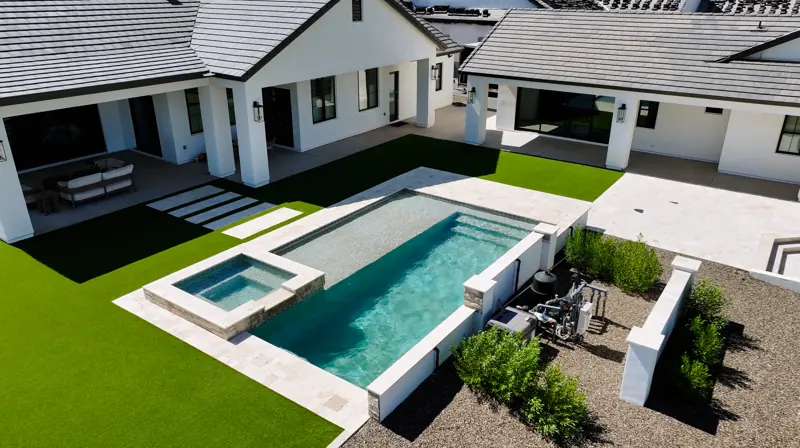
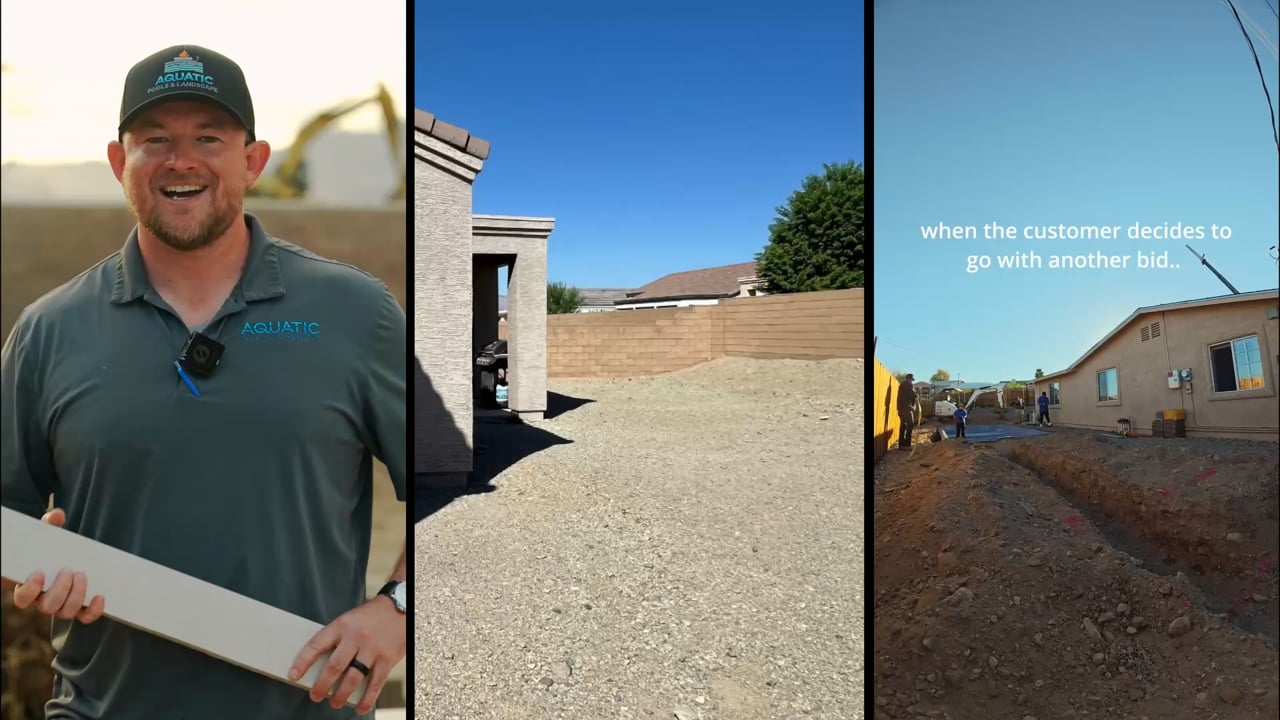
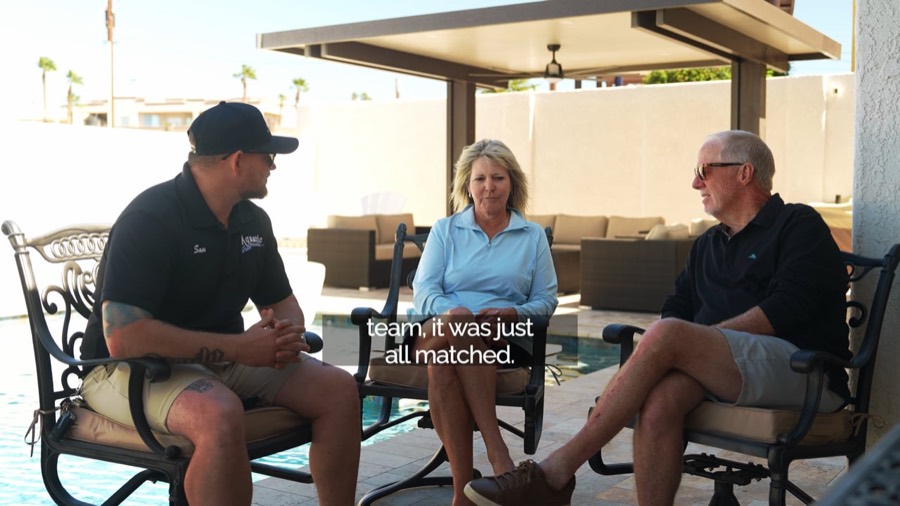
Great work and no engine behind it. We filmed finished builds and the build process on site, ran paid ads on the best cuts, built the landing page and a CRM where every lead lands tagged and routed. $10.4M in qualified pipeline in seven months.
Watch the film and read the case
A solar company that needed reps and jobs at the same time. A recruiting campaign shot with the real crew made them look like the established name in their market, which is what wins both.
Watch the film and read the case
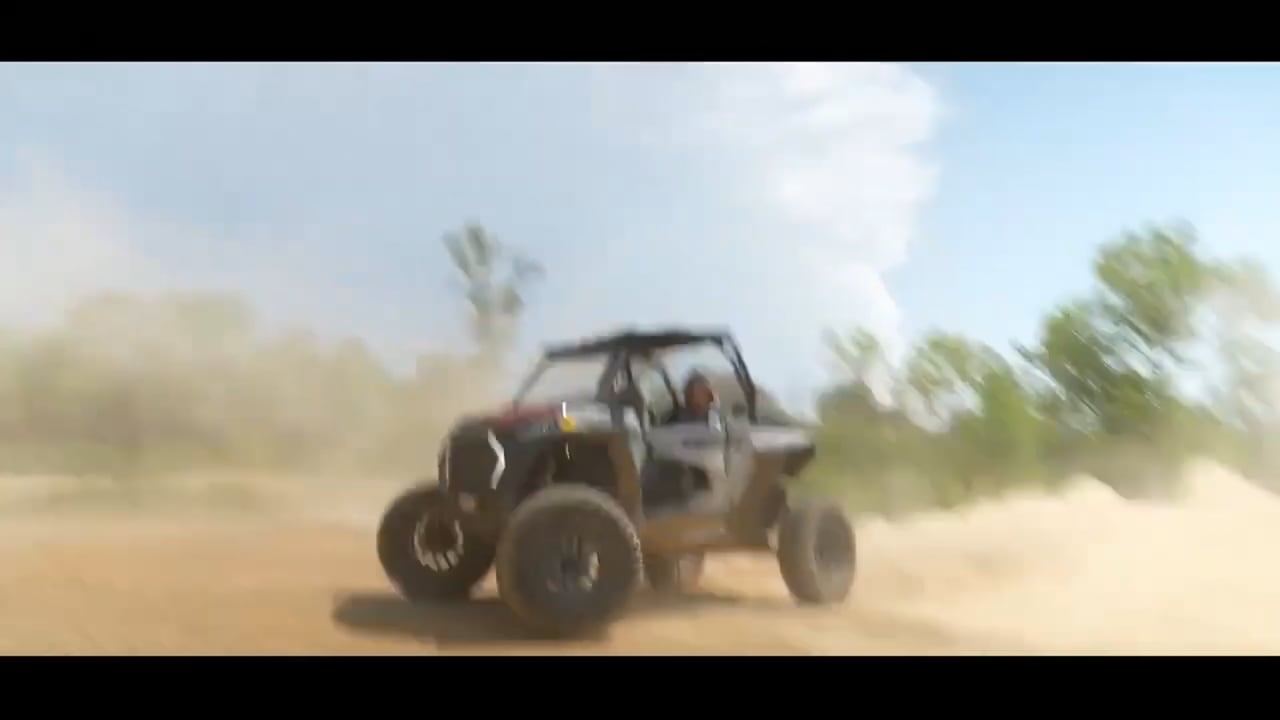
Long-form YouTube content built to compound, short cuts across every channel, and a rep and dealer funnel behind it. The channel grew from 2,000 to 40,000 subscribers and generated 1,000+ leads.
Watch the film and read the case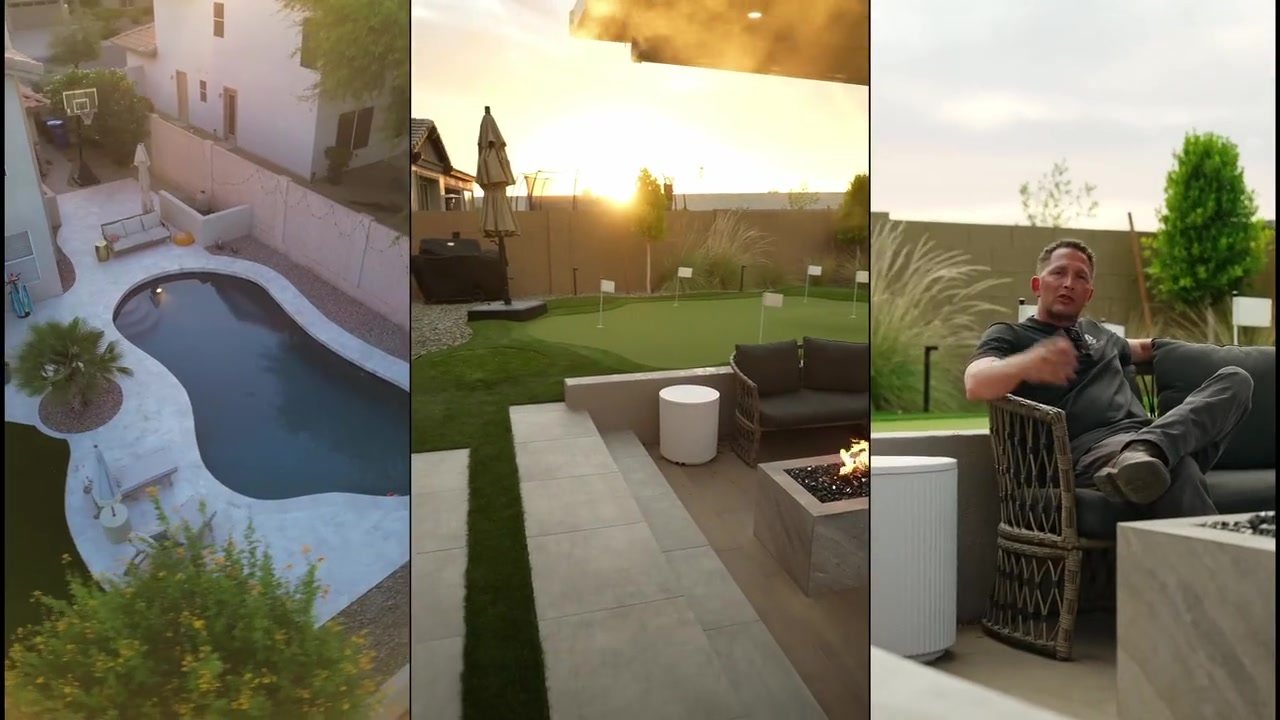
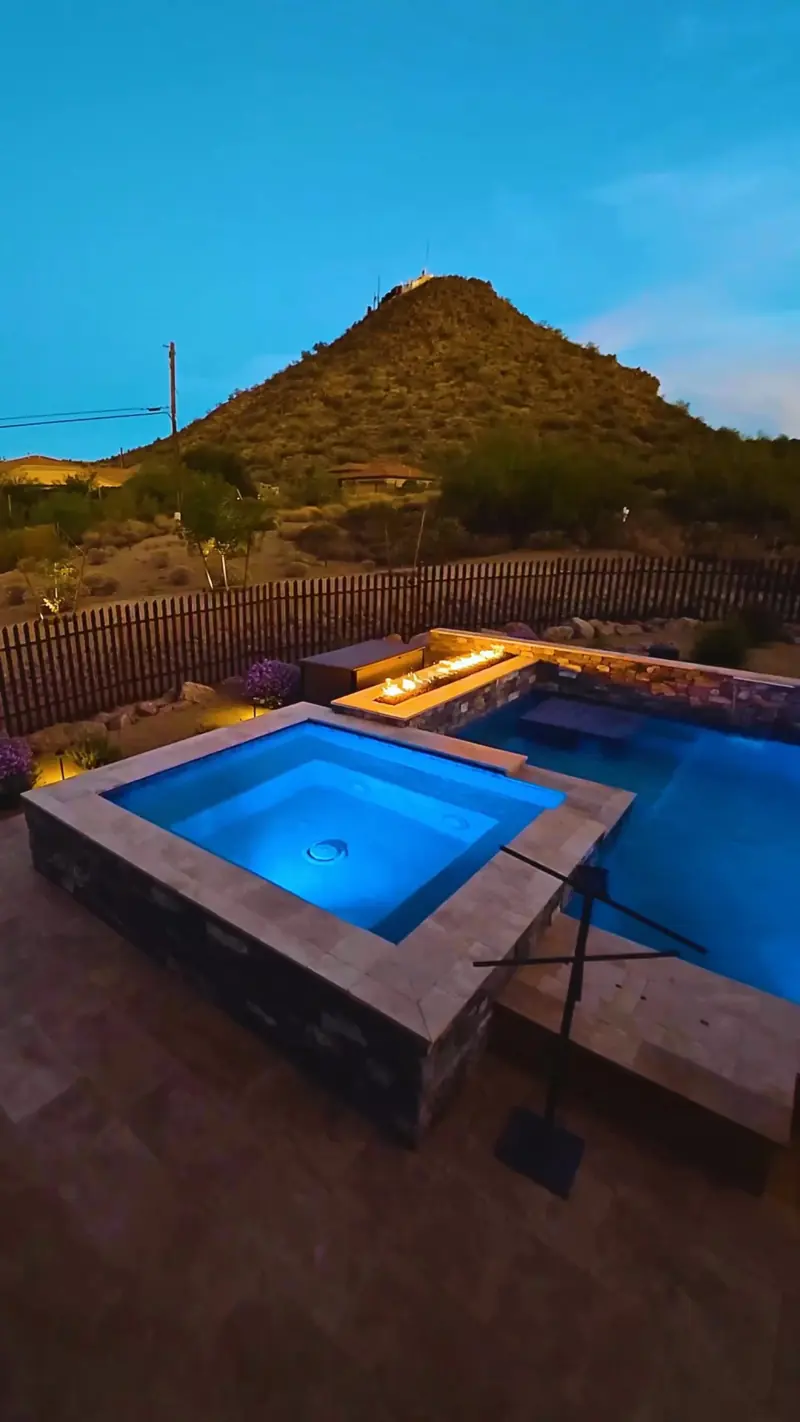
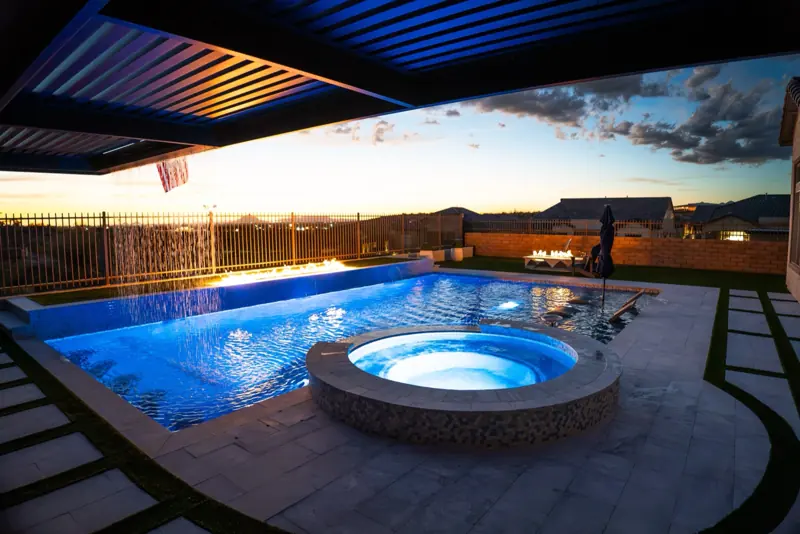
Design reveals, finished-build walkthroughs and fire-feature detail cinematography for a brand that has to look like the price of the work.
Watch the film and read the caseWhy Contractors Need Video More Than Almost Any Other Industry
Construction is a trust-based business. Nobody hands a stranger a six-figure check to tear up their backyard or build an addition on their house without doing serious research first. Video solves the trust problem faster than anything else.
Think about what a potential client wants to know before hiring you:
- Can you actually do the work? Photos help. Video proves it beyond any doubt.
- Is your crew professional? A clean, well-shot job site video answers this instantly.
- What's the process like? Clients fear the unknown. Video walks them through it.
- Do other people trust you? A 60-second client testimonial on camera is worth more than 50 written Google reviews.
The contractor who shows their work on video will always beat the contractor who just tells people they do good work. Every time.
There's also a practical reality: most contractors are not doing this. In almost every local market, the construction companies posting video content are in the top 1% of visibility. The bar is low. You don't need Hollywood production. You need to show up consistently with real content from real job sites.
The 6 Best Video Types for Contractors
Not all video content is created equal. After producing thousands of videos for contractors and construction companies, these are the six formats that consistently perform the best.
Before & After
The single most powerful format for any contractor. Show the empty lot, then the finished build. The demolished kitchen, then the remodel. Instant credibility.
Time-Lapse
Set up a camera and compress weeks of work into 30 seconds. Mesmerizing to watch and impossible to fake. Great for pools, framing, concrete pours.
Drone Progress Shots
Aerial footage of a build in progress looks cinematic and professional. Monthly drone updates show scale and progress like nothing else.
Client Testimonials
Film the homeowner standing in their finished space talking about the experience. Raw, authentic, on-location. The most persuasive sales tool you can create.
Process Explainers
Walk viewers through how you do something: "How we prep a site for foundation," "What goes into a custom tile install." Educates and builds authority.
Day-in-the-Life
Follow the crew through a real workday. Humanizes the brand, shows professionalism, and makes people feel like they know you before they ever call.
The mix matters. Before/after and testimonials close deals. Time-lapses and drone shots get massive reach. Process explainers build trust. Day-in-the-life content builds your brand personality. You need all of them working together across the month.
How to Film on a Job Site
Job sites aren't studios. They're loud, dusty, constantly changing, and full of safety hazards. Here's how to get great footage without disrupting the work.
Equipment that actually works on site
You don't need a $10,000 camera rig. Here's what we recommend for contractors filming their own content:
- iPhone 14 or newer: The camera is genuinely excellent. Shoot in 4K at 30fps for most content, 60fps for slow-motion detail shots.
- DJI Osmo Pocket or similar gimbal: Eliminates shaky footage when walking through a job site. Under $350.
- DJI Mini 4 Pro drone: Under $760, no Part 107 license needed for recreational use (check local rules for commercial). Incredible aerial shots.
- Wireless lavalier mic: A Rode Wireless Go or DJI Mic clips to a shirt collar and captures clean audio in noisy environments. Essential for testimonials.
- GoPro or action camera: Mount it on equipment, hard hats, or scaffolding for unique POV angles. Great for time-lapses too.
Safety and logistics
- Always wear proper PPE when filming on active sites: hard hat, vest, steel toes.
- Get written permission from property owners and any workers who appear on camera.
- Film during "visual" milestones: demolition day, concrete pour, framing complete, final reveal. These are your content goldmines.
- Designate one person on the crew as the "content person". Even 10 minutes of phone footage per day adds up to a month of content.
The 10-minute daily shoot
The biggest mistake contractors make is thinking they need a full production crew on site every day. You don't. Here's the minimum effective dose:
- Morning wide shot (15 seconds): What does the site look like today?
- One process clip (30-60 seconds): Someone doing their craft. Tiling, welding, framing, grading.
- End-of-day progress shot (15 seconds): What changed?
That's it. Three clips, 10 minutes of effort. Your editor (or you, if you're scrappy) turns those into 5-10 pieces of content per week.
What Does Contractor Video Marketing Cost?
This is the question every contractor asks first, so let's be direct.
DIY: $0-500/month
You or someone on your crew shoots iPhone footage on job sites. You edit it yourself using CapCut or similar free apps. Results depend entirely on consistency and willingness to learn. Best for solo operators and small crews getting started.
Hybrid: $1,500-3,500/month
You film raw footage on site. A professional editor or agency handles editing, captions, posting schedule, and strategy. You get polished content without a crew showing up every week. This is the sweet spot for most contractors doing $1-5M in annual revenue.
Full-service: $4,000-10,000+/month
An agency like Maken Media handles everything: strategy, on-site filming with professional gear and drone, editing, posting, and performance tracking. Best for established contractors who want premium content and are ready to invest in brand building at scale.
The ROI math is simple. If you're a general contractor closing $50,000+ jobs, one additional contract from video marketing pays for an entire year of content production. Most of our contractor clients see that return within the first 60-90 days.
Want More Leads from Your Job Sites?
We help contractors turn their daily work into a content engine that drives leads on social media. Before/afters, testimonials, and more.
Book a CallHow builders and construction companies use video for new developments
Builders sell before the thing exists, so the video has to do the walkthrough for them. The pattern that works for new developments: one render-to-video walkthrough of the model or phase, a monthly site-progress reel shot from the same spots each month, and a short neighborhood piece that shows the schools, the drive and the finished streets. Pre-sales teams send the walkthrough after every inquiry, the progress reels keep deposit holders confident, and the neighborhood piece is what gets shared. Custom home builders do the same with a finished-home reveal every quarter. The real estate video page covers the listing side.
Aerial and drone video for contractors
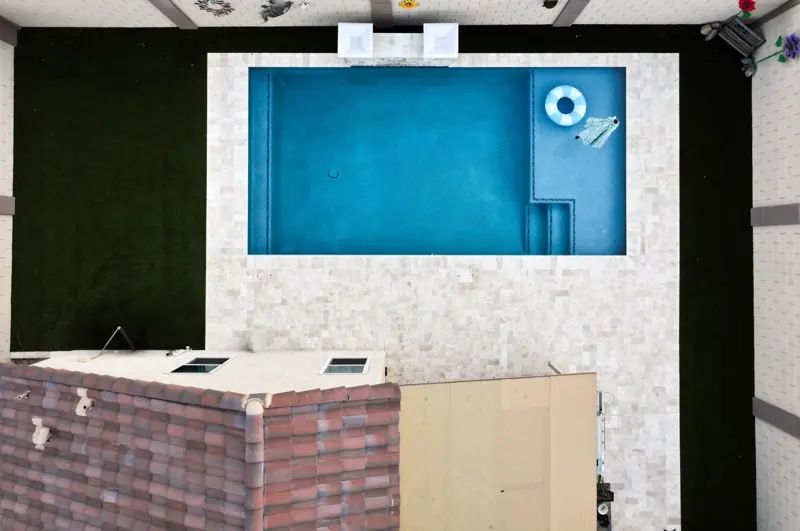
Drone footage earns its place on anything with scale: roofs, pools, land clearing, commercial sites and full backyard builds. A ten-second aerial reveal at the end of a before-and-after is often the clip that gets shared. Two rules. Anyone flying for a business in the US needs an FAA Part 107 certificate, so ask your videographer for it before the shoot. And do not fly for its own sake: a drone shot of a bathroom remodel adds nothing. Our drone videography guide covers permits, airspace around Scottsdale and Phoenix, and what a drone day costs.
Video ads for contractors: what to run and where
The ad is not a new video. It is a 15 to 30 second cut of your best organic clip, usually the reveal or the customer walkthrough, with one line of text and one call to action. Run it on Meta to homeowners inside your service radius, on YouTube to people researching bigger projects, and as retargeting to anyone who visited your site. Aquatic Pools ran exactly this: the organic content found the audience, the paid cuts scaled it, and the CRM caught every lead. Budget and packages are in the Phoenix video production cost guide, and the done-for-you version is on our home services page.
Social Media Strategy for Contractors
Having great video is half the battle. The other half is knowing where to post it and how to optimize it for each platform.
Instagram Reels
The primary platform for most contractors. Before/after transformations, time-lapses, and drone shots perform exceptionally well here. Use location tags (your city + neighborhood names), construction-related hashtags, and post 4-5 Reels per week. Your profile grid becomes a visual portfolio that clients scroll through before calling you.
TikTok
Massive organic reach, especially for satisfying process videos (concrete pours, demolition, heavy equipment). The audience skews younger but includes plenty of homeowners, property investors, and future clients. Content that goes viral on TikTok often gets 10-50x the views of the same content on Instagram.
YouTube
The long game. Longer project walkthroughs, full before/after tours, and educational content live here. YouTube videos rank in Google search results, meaning a video titled "Pool Construction Process in Scottsdale AZ" can bring you leads for years. Post YouTube Shorts (vertical, under 60 seconds) from the same footage you use for Reels and TikTok.
Still highly relevant for contractors because your actual clients (homeowners 35-65) are active here. Share the same Reels to Facebook, post in local community groups, and use Facebook ads to target homeowners within a 25-mile radius of your service area.
Google Business Profile
Upload video directly to your Google Business Profile. Most contractors ignore this. The profile is what Google Maps and AI search pull from when someone searches "contractor near me," and a real job-site clip shows the quality before they call.
Does video help contractors rank on Google?
Yes, but not by itself. Video helps a contractor rank when it sits on a page Google can index as a video page, when the job is named in words, and when it feeds a Google Business Profile that keeps earning reviews. A clip dropped into a homepage slider does almost nothing for search.
What actually moves rankings for a contractor in 2026, in order:
- Google Business Profile first. In BrightLocal's August 2026 study of 1.9 million local citations, the Business Profile was the source for 28.63% of what AI search tools cited about local businesses. Post a short job-site clip and four real photos every month, and ask every finished customer for a review that names the job and the city.
- One page per project or service, with one main video. Google's video guidelines index a video when it is the main content of the page. A "pool remodel in Gilbert" page with the walkthrough, photos and a written recap can rank for that search. A gallery of 40 clips cannot.
- Name the job in words. Title, description and file name should say the service, city and project type. "Backyard remodel with pool and ramada, Scottsdale AZ" beats "IMG_4417".
- YouTube for the long tail. Upload the full walkthrough with the same title and chapters, then embed it on the matching page. YouTube videos show up inside Google results for "before and after" and "how much does it cost" searches.
- Mentions off your site. Yelp, Houzz, supplier dealer pages and local news all name your company. Those mentions are what AI assistants repeat when someone asks who to hire.
Video, SEO and AI search for contractors
BrightLocal's March 2026 survey found 45% of US consumers now ask an AI assistant for local business recommendations, up from 6% a year earlier, and 97% of them check reviews before they call. The same work ranks you in both places: a complete Business Profile, steady reviews, and pages that answer the buyer's question in plain words with real numbers.
What it looked like for a pool builder
For Aquatic Pools, short-form build content and ads produced $10.4M in qualified pipeline and 19 leads on builds over $95K in seven months (numbers as reported by the client, September 2026). Get a free video plan for your company.
Download the Free Contractor Video Calendar
Get our 30-day video content calendar built specifically for contractors and construction companies. Includes daily content ideas, before/after templates, testimonial scripts, and a job site filming checklist.
Download Free CalendarConstruction Video Marketing FAQs
What is construction video marketing?
Construction video marketing is using video, job site footage, before-and-after transformations, project reveals, and customer testimonials, to win local jobs. Instead of leaning on referrals or shared lead platforms, contractors use video on social media, YouTube, and Google to build trust and generate their own exclusive leads.
What types of video work best for contractors?
Before-and-after transformations and finished-project reveals perform best, followed by job site process clips and customer testimonials. They show your quality and build trust faster than any sales pitch. The six formats above break it down in full.
How much does video marketing for contractors cost?
It ranges from doing it yourself on a phone (free) to a hybrid where you film and a team edits and posts ($1,500 to $3,500 a month), up to full service with on-site filming, ads and tracking ($4,000 to $10,000 and up a month). Most contractors start with phone footage and graduate to a team once video is driving jobs. The cost section above has the full breakdown.
Do construction companies actually get leads from video?
Yes. Video builds trust before the call and lets you target homeowners in your exact service area, producing exclusive leads instead of shared ones sold to four competitors. The contractors who post consistent project content become the most visible name in their market.
Which platforms should contractors use for video?
Start with Facebook and Instagram for local reach and homeowner demographics, add YouTube for trust and search, and use short-form Reels and TikTok for organic reach. Post your best clips to your Google Business Profile too, it helps local SEO.
How do I film a professional job site video?
Shoot horizontally in good light, keep the phone steady, capture short 10 to 20 second clips of the most visually interesting work, and always film a "before" so you can show the transformation. The job site filming section above covers the full method.
Do contractors need a drone for video marketing?
Only for work with scale: roofs, pools, land, commercial sites and full backyard builds. A short aerial reveal is worth adding there. For interior remodels it adds nothing. Whoever flies for your business needs an FAA Part 107 certificate.
How do builders market new developments with video?
One render-to-video walkthrough of the model or phase, a monthly site-progress reel from the same vantage points, and a short neighborhood piece. Pre-sales sends the walkthrough after every inquiry and the progress reels keep deposit holders confident.
Construction content creator or production company?
A construction content creator is one person filming daily clips, usually your own crew member or a freelancer. It is cheap and fast, and it breaks the moment that person gets busy, and there is no strategy, no ads and no follow-up behind it. A production company builds the system: what to film and why, the films themselves, the cuts for each platform, the ads and the CRM that answers the lead. Most contractors between $1M and $5M do best with the hybrid in the cost section above: your crew captures the raw footage, a team turns it into content and runs it. Above that, the full-service tier pays for itself on one extra job.
Sources
The studies behind the claims in this guide. Plain links, no affiliate anything.
- BrightLocal, Local Consumer Review Survey 2026: 97% of consumers read reviews for local businesses and 68% require four stars or better, which is why an on-camera testimonial does work a written review cannot. https://www.brightlocal.com/research/lcrs-ai-trust/
- M.Wolf Media, Arizona Meta ads data, 2026: owner-on-camera vertical video of 15 to 30 seconds beats polished agency b-roll in Arizona contractor accounts almost every time. https://mwolfmedia.com/how-much-do-facebook-ads-cost-for-contractors/
- Web Tonic, roofing Facebook ads statistics: before-and-after Reels outperform horizontal versions two to four times on click-through, and the first three seconds carry most of the engagement. https://www.webtonic.io/blog/roofing-facebook-ads-statistics
- The Hutch Group, Facebook lead ads for service businesses: phone-shot video and simple graphics produced leads under $20 against $59 for glossy product shots. https://thehutch.group/blog/facebook-lead-ads-for-service-businesses/
- Maken Media client results: Aquatic Pools pipeline and Pacific United Power channel numbers as reported by the clients, September 2026. Case pages linked above.
Getting Started This Week
You don't need to overhaul your entire marketing strategy overnight. Here's the simplest path to getting started with video marketing for your construction company:
- Pick your best current job site. The one that's going to look the most impressive when it's done.
- Film a "before" video today. Walk through the space on your phone. 30 seconds. That's it.
- Capture 2-3 process clips per week. Anything visually interesting: pours, installs, framing, finishes.
- Film the reveal. When the project is done, walk through the finished space the same way you walked through the "before."
- Post the before/after. Side by side or back to back. Add text overlay and music. Put it everywhere: Instagram, TikTok, YouTube, Facebook, Google Business Profile.
One project documented properly gives you 15-20 pieces of content. Do this for every project and within three months you'll have a content library that positions you as the most visible contractor in your market.
The contractors who start now will own their local market in 12 months. The ones who wait will spend twice as much trying to catch up. Video marketing isn't optional for construction companies anymore. It's the new word of mouth.
And if you want a team that specializes in exactly this (filming, editing, strategy, and posting for contractors), let's talk.